

Audio to Text in 2026: Why It’s Now a Must-Have Audio Tool
Why Audio-to-Text Technology Is Becoming the Core Productivity Layer for Creators, Teams, and Marketers in 2026
Why Audio-to-Text Technology Is Becoming the Core Productivity Layer for Creators, Teams, and Marketers in 2026
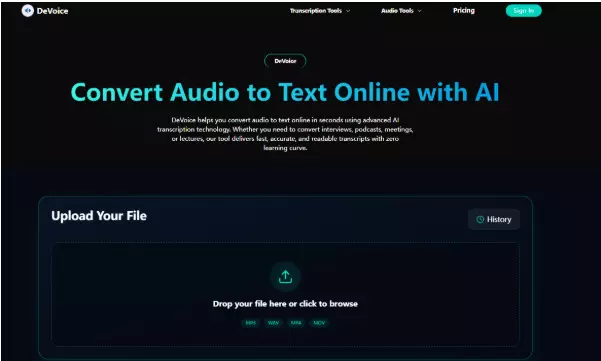
Every year, the list of “best audio tools” gets longer. But heading into 2026, one category clearly stands out: audio to text. What used to be a niche feature has become a core productivity layer for creators, marketers, and teams.
I’ve tested dozens of tools over the past year, and one thing is obvious. If an audio tool can’t handle transcription well, it’s already behind.
Why Audio Tools Are Being Redefined in 2026
In 2026, audio isn’t just something you listen to. It’s something you process, reuse, and optimize.
Meetings are recorded by default. Podcasts are planned as content engines. Voice notes replace long messages. Without audio to text, all that audio stays locked away.
That’s why more professionals are searching for ways to convert audio to text online as part of their daily workflow, not as an extra step.
Audio to Text Is the Foundation of Modern Audio Workflows
What makes audio to text so important now is how it connects everything else.
Once speech becomes text, you can:
- Search conversations instantly
- Turn recordings into articles or scripts
- Feed transcripts into AI summarization or translation tools
In my experience, transcription is the first step that unlocks real value from audio. This is why AI audio transcription online tools are being ranked alongside editors and enhancers in 2026 tool lists.
What Separates 2026-Ready Tools from Old Software
Older transcription tools were slow and fragile. Newer platforms use neural speech recognition, context-aware language models, and noise-resistant processing.
A 2026-ready audio to text tool needs to work with real-life audio. That means background noise, casual speech, and different accents.
This is also why browser-based tools matter. A strong free audio to text converter lets users test performance instantly, without setup or downloads.
Why Free Access Still Matters in 2026
Even in a mature market, free access remains a trust signal.
People want to test before committing. They want to know if the tool understands their voice, their content, their environment. A good audio to text transcription free option removes friction and speeds up adoption.
From what I’ve seen, tools that hide everything behind a paywall struggle to gain long-term users.
Audio to Text Is Driving Content Efficiency
One trend I see everywhere in 2026 is content efficiency. Teams want more output from fewer resources.
With audio to text for podcasts, one recording fuels blogs, emails, and social posts. With speech to text online free tools, brainstorming sessions turn into usable drafts.
Instead of starting from a blank page, you start from spoken ideas. That alone changes how fast teams move.
How I Personally Evaluate Audio Tools in 2026
When I look at “best audio tools” lists, I don’t just check features. I ask:
- Does it work fully online?
- Is the transcription accurate enough to trust?
- Can I go from audio to usable text in minutes?
If a tool passes those tests, it earns a place in my stack. That’s exactly how I evaluate audio to text solutions today.
Why Audio to Text Is a Long-Term Investment
Trends come and go, but transcription isn’t a trend anymore. It’s infrastructure.
As audio content keeps growing, audio to text becomes the bridge between voice and everything else—search, AI, collaboration, and publishing.
Tools that focus on speed, accuracy, and ease of use will dominate 2026 and beyond.
If you want a tool that’s online, free to try, and built for real-world audio use, DeVoice is one of the options worth experiencing firsthand.





